Agile Product Hub
ProductOwner
ProductManager
AgileHowToSeries
ProductStrategy
DigitalProduct
ProductLeadership
Outcome-Driven Roadmaps: Moving Beyond Features to What Really Matters
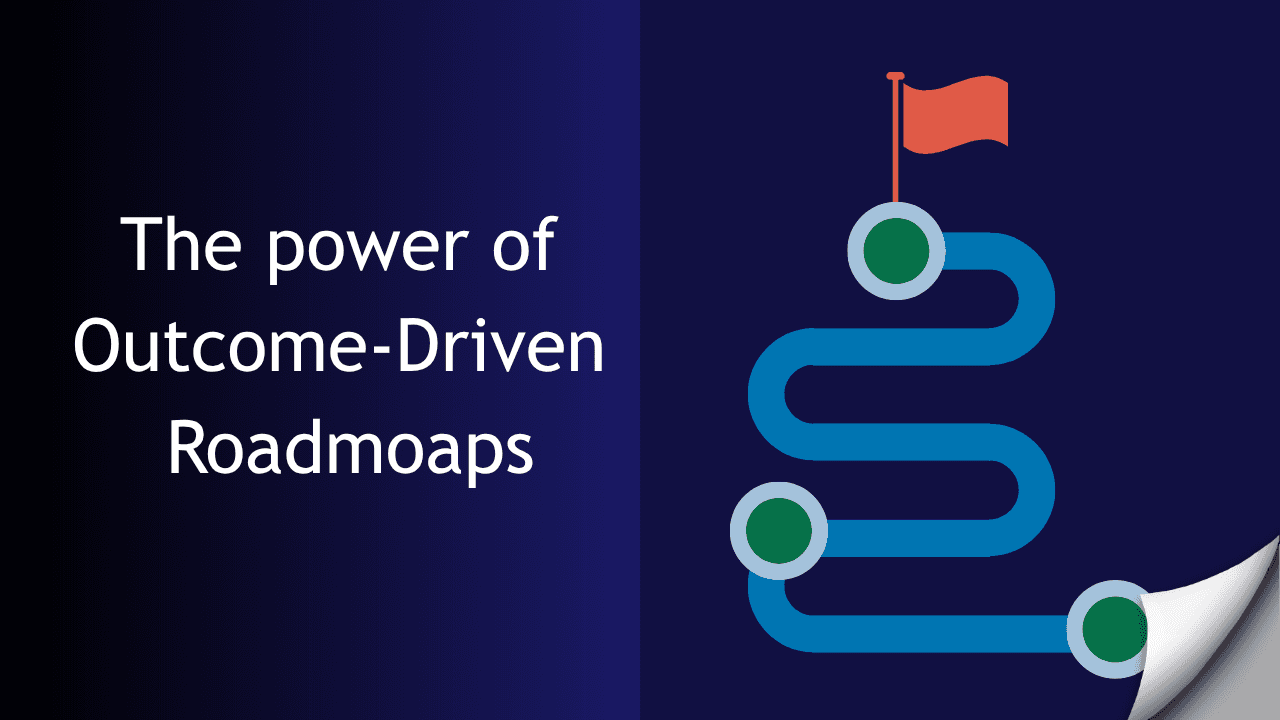
I was reviewing several LinkedIn articles yesterday, and from what I found, there are still a lot of people who have not yet heard about or practised outcome-based roadmaps. It struck me just how often we default to listing features, not framing outcomes.
We map what we’ll build, not why and we wonder why delivery speeds up, but impact doesn’t.
Agile teams sprint hard. Features get shipped. But too often, the needle doesn’t move. The backlog empties, but customer satisfaction doesn’t budge. Sound familiar?
This is where outcome-driven roadmaps come in and why they’re a critical shift in mindset for modern product teams.
What’s the Difference Between Outcome and Output?
Output is what you build features, releases, or functionality. It’s the thing delivered. Outcome is the change that happens because you built it, user behaviour, business impact, or customer success.
Building a new login screen is an output. Reducing sign-up drop-off by 30% is an outcome.
Great product teams aim for outcomes, not just output.
Why Feature Roadmaps Fall Short
Traditional roadmaps look like a series of pre-planned releases:
Q1: Feature A
Q2: Feature B
Q3: Feature C
Q4: Feature D and so forth…..
The problem? They lock teams into a build plan before the problem is fully understood—or even validated.
They’re output-focused, which means we measure success by delivery, not by solving real user or business challenges. They also stop teams becoming truly empowered. An empowered team is actively involved in Product Discovery. Which takes an outcome and works out what will help us achieve the outcome.
Feature roadmaps are comforting, but often misleading. They imply certainty where there is complexity. They tell stakeholders what they want to hear, but rarely what they need to hear.
What Is an Outcome-Driven Roadmap?
An outcome-driven roadmap starts with the problem, not the feature. It’s structured around:
Problems to solve
Outcomes to achieve
Hypotheses and options to explore
Key metrics or signals of success
Instead of: “Deliver a reporting dashboard by end of Q2” You write: “Reduce the time users spend manually compiling reports by 50% by Q3”
From there, you can test multiple ways to solve the problem, maybe a dashboard, maybe a data export, maybe something else entirely. You measure progress against value, not velocity. It also enables the teams to work out what needs to be measured. You can not achieve the "50%" without having a measured starting point.
Why This Matters Now
In 2025, product teams are under more scrutiny than ever. We’re being asked:
Are we solving the right problems?
Are we moving the business forward?
Can you show me the value?
Outcome-driven roadmaps bridge the gap between product strategy and Agile delivery.
They allow for experimentation without losing sight of direction. They reduce waste. They align teams. And, crucially, they shift the focus from “What did we deliver?” to “What changed because we delivered it?”
Excerpt from Agile How To: Succeed as a Product Owner “A roadmap isn’t a list of features—it’s a strategic guide that connects vision to value. The best roadmaps tell the story of how a product will change behaviour or outcomes over time.”
How to Start Building Outcome-Driven Roadmaps
Here’s a simple approach to begin transitioning your roadmap structure:
Frame the outcome.
Define success signals.
Explore solution options.
Test, learn, iterate.
Excerpt from Product Agile Harmony [To be published soon] “A delivery team cannot operate in a vacuum. Roadmaps grounded in outcomes ensure discovery and delivery remain connected, guiding work toward meaningful, measurable change.”
Outcome Roadmaps in Practice - A few signs your roadmap is outcome-aligned:
Stakeholders are aligned on the problem, not just the feature.
Your roadmap is flexible by design, not stuck in quarter-by-quarter promises.
Teams are empowered to experiment, not just implement.
You review your roadmap against customer and business impact, not just ticked boxes.
You measure the outcome and impact delivered once output has gone to production
If you’re still running feature-led roadmaps, you’re not alone. But it’s time to shift. This approach empowers product teams to focus on what really matters, value over volume.
Final Thought
Converting the way you work from output to outcome is a much larger topic. Outcome-driven roadmaps aren’t a silver bullet, but they’re a necessary evolution. As product people, we need to stop pretending certainty is possible and start building for learning, adaptation, and actual change.
Ask yourself:
Are you road mapping outcomes or just listing features?
Do your metrics reflect value or just activity?
What would happen if you gave your team the problem instead of the solution?